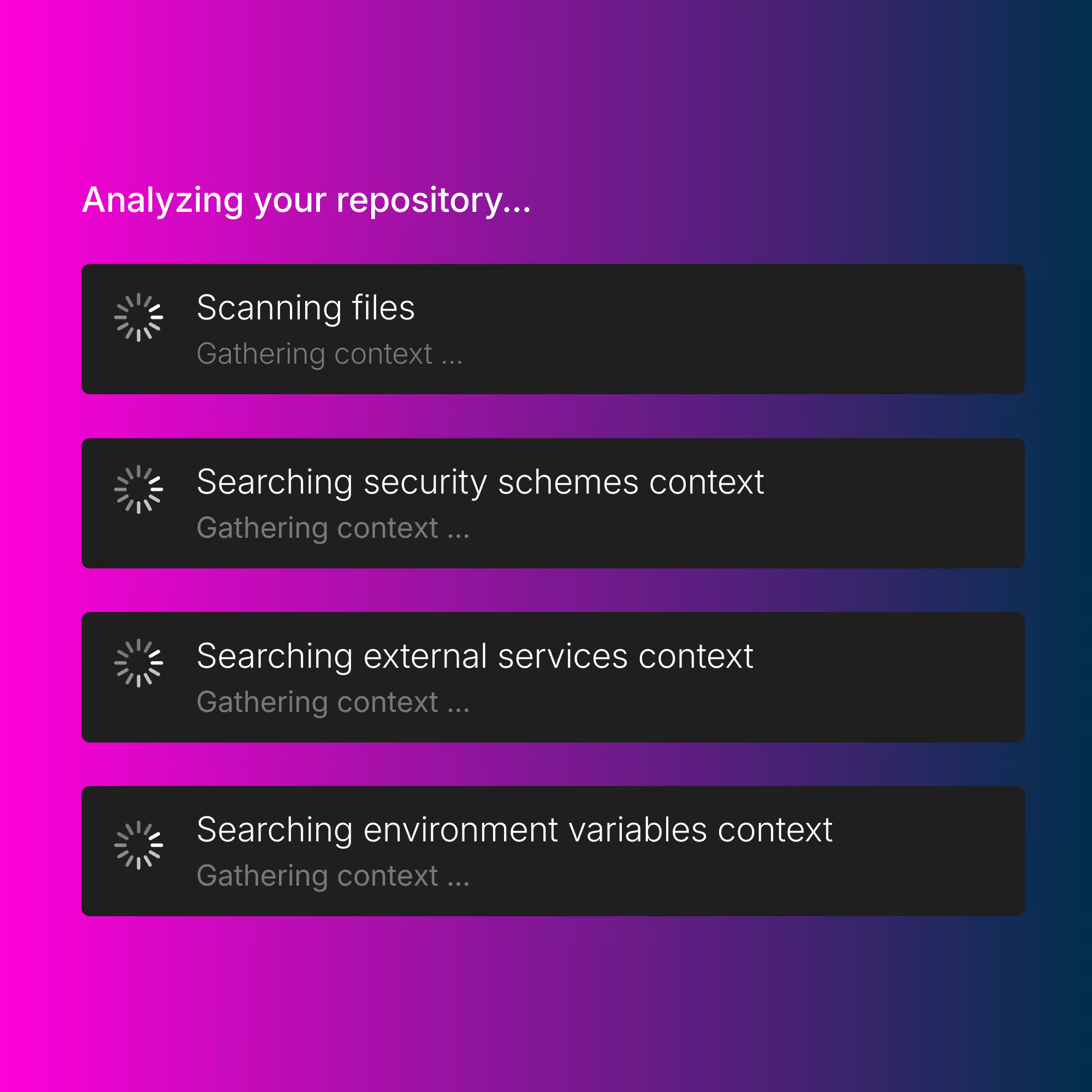
Specilized subagents run in parallel to explore every corner of your codebase.
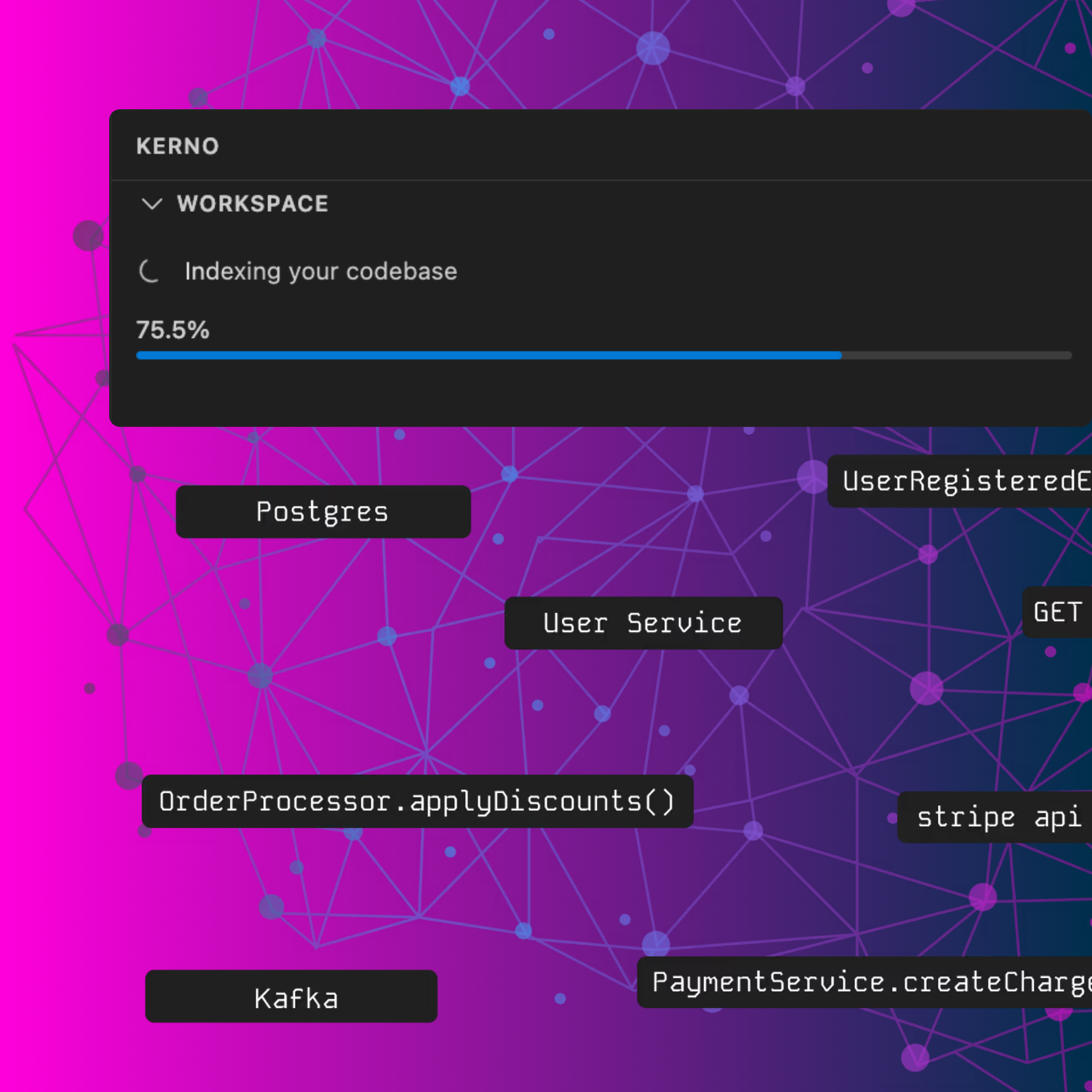
A detailed graph is generated to give Kerno a deep understanding of your application.
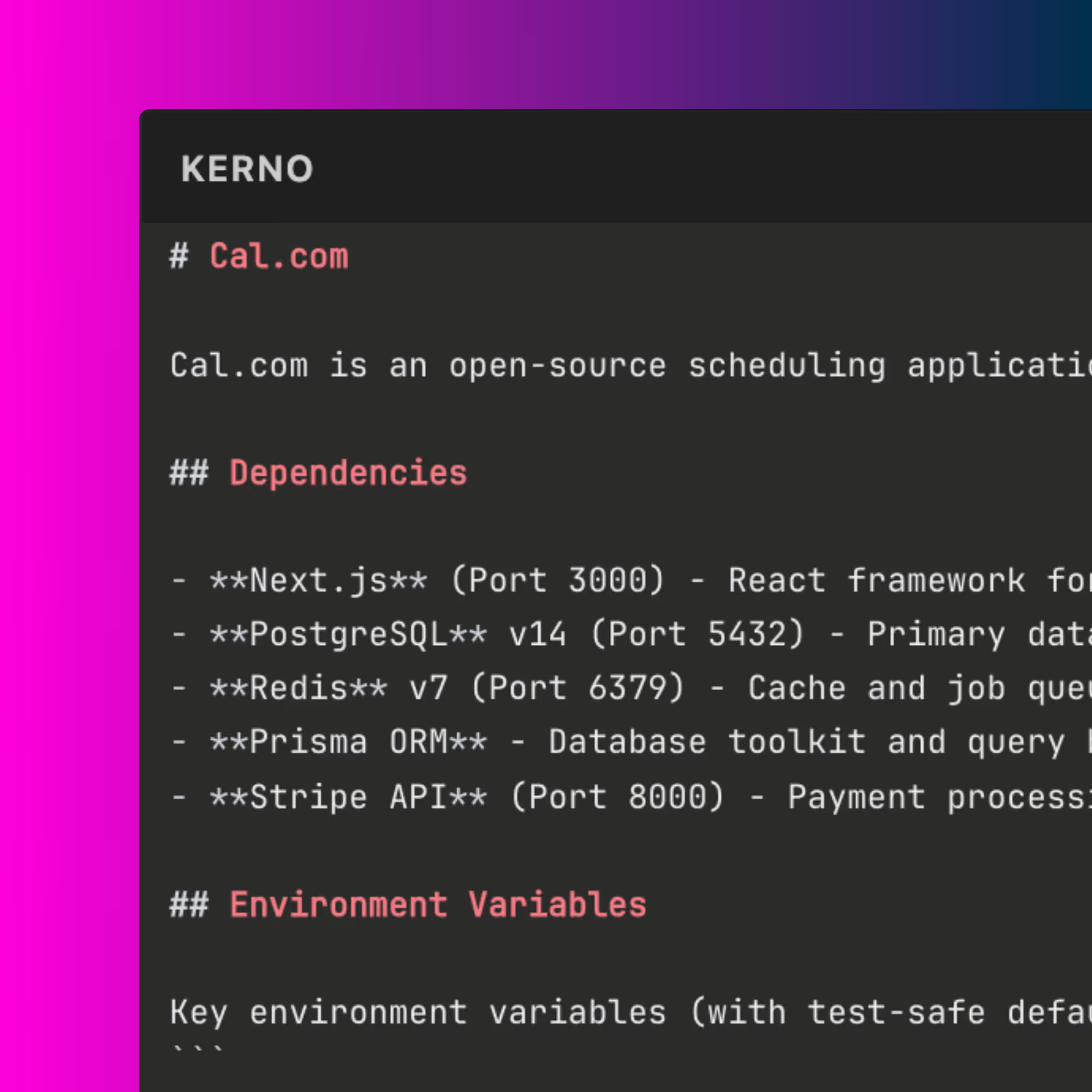
Kerno automatically incorporates your claude.md, and agents.md configs.
Kerno derives your full stack from the existing config. No separate test infrastructure to write or maintain.
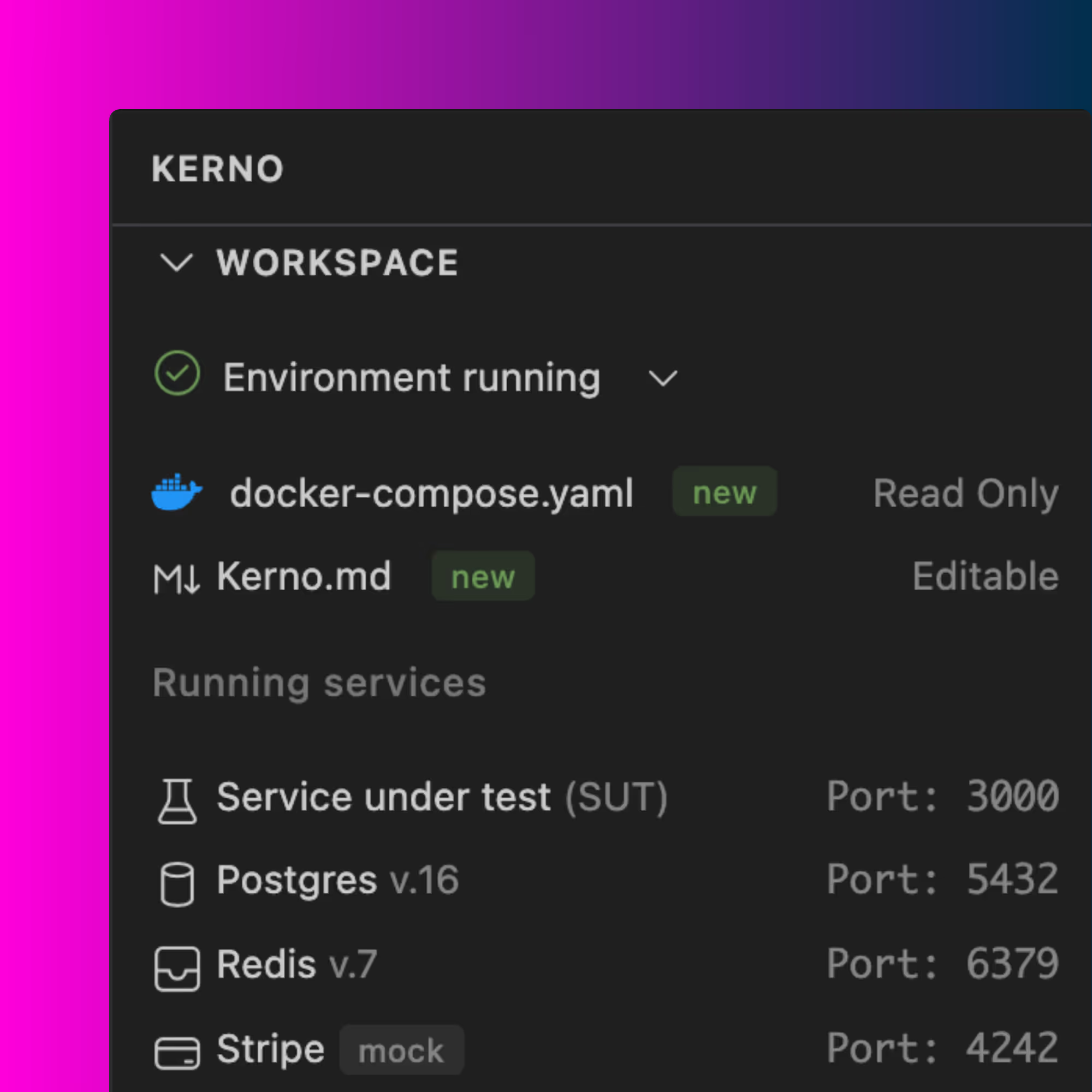
Every test run gets a clean slate: fresh state, seeded data, mocked external services. Flaky tests from shared state become a lot rarer
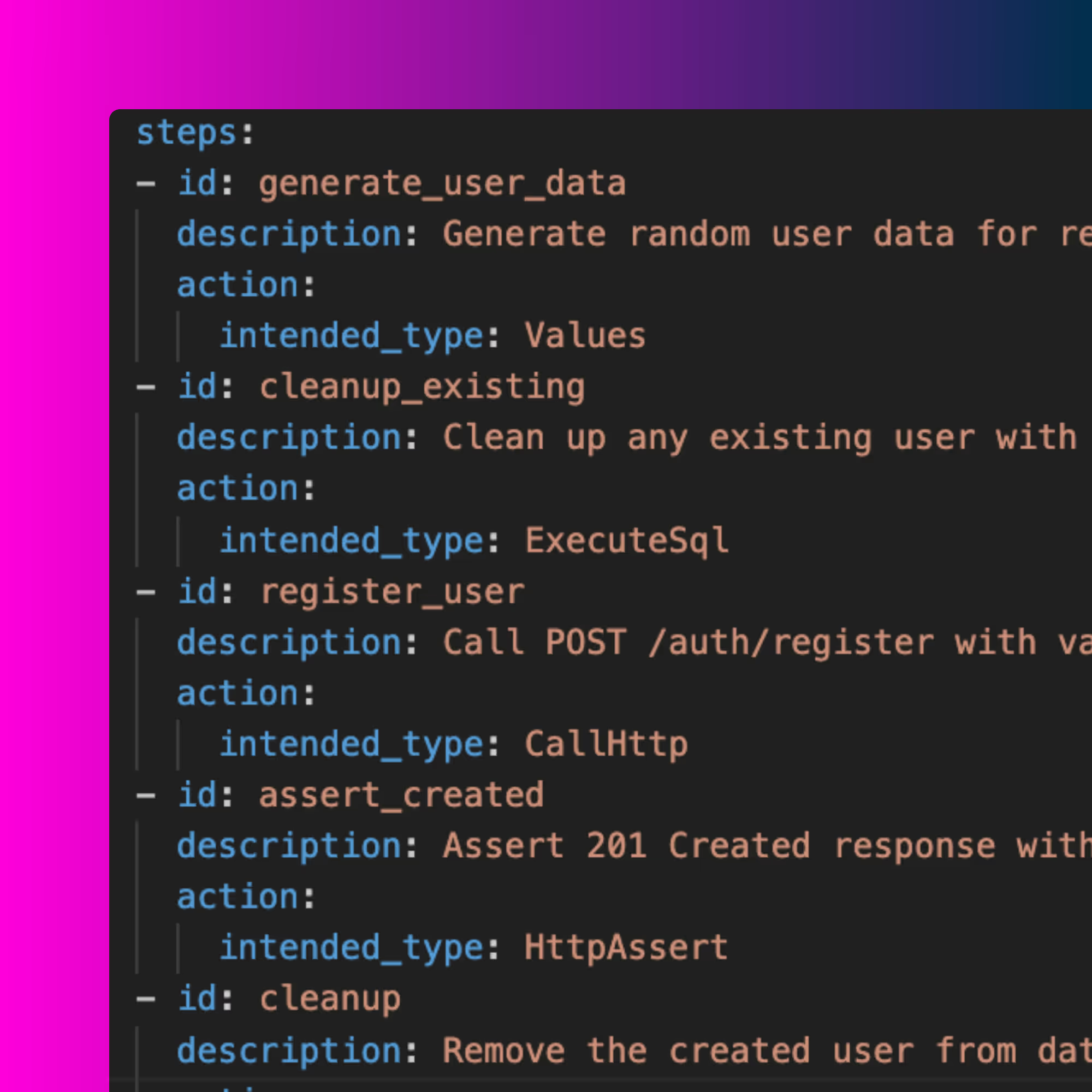
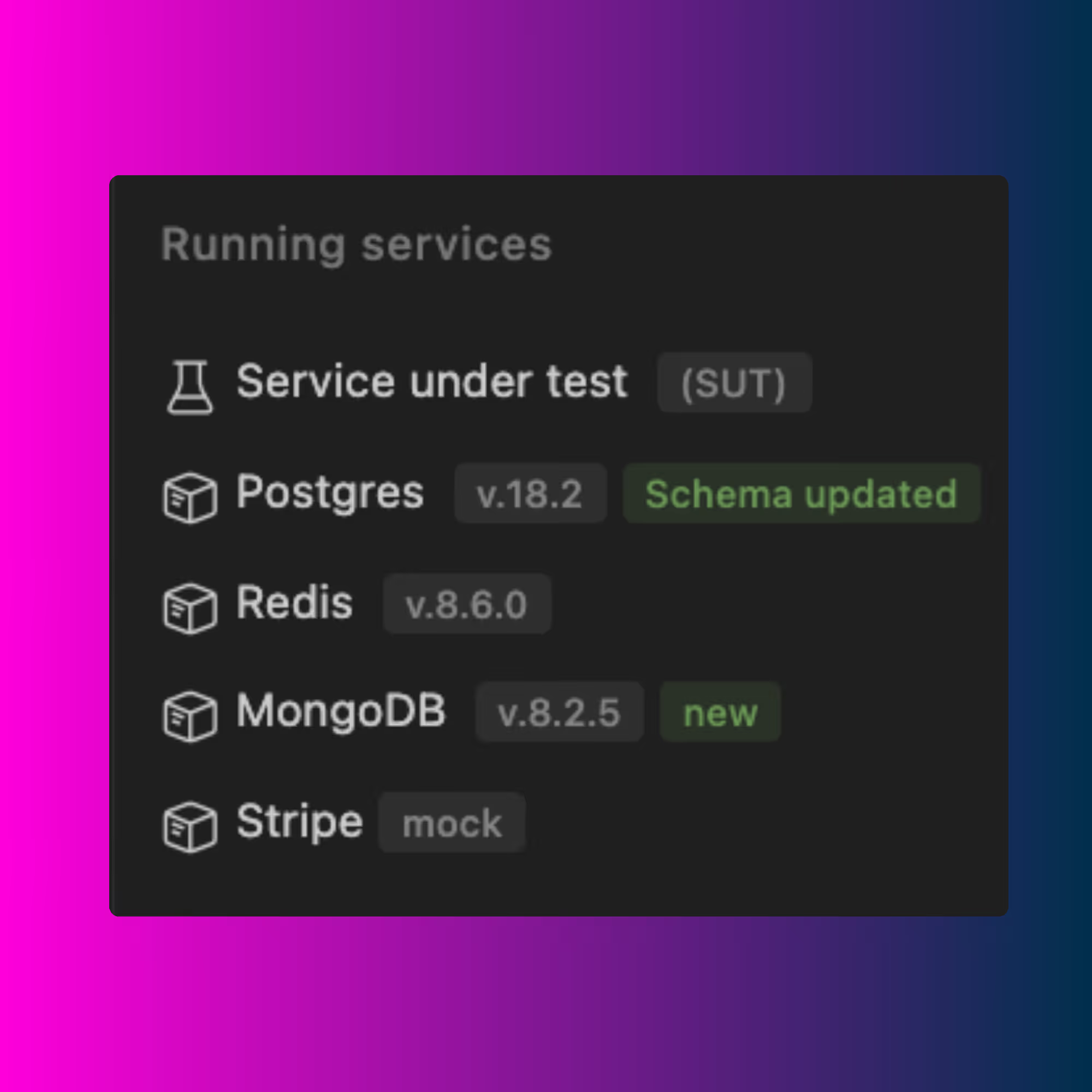
When schemas change or dependencies are added, Kerno keeps your environment always in sync so nothing breaks.
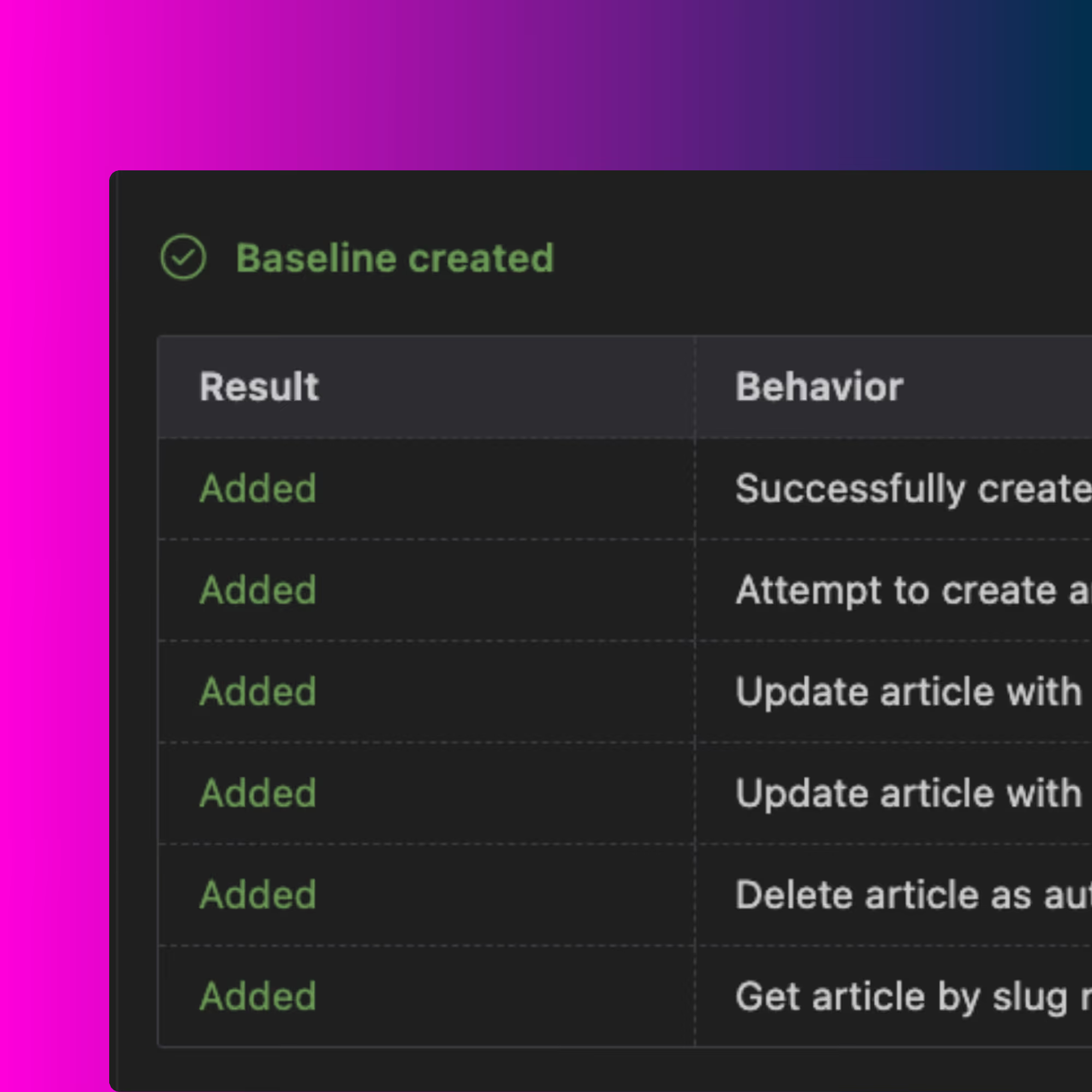
Kerno analyzes endpoints and captures their behavior across critical states and paths.
Code change are diffed against the baseline and diffs are instantly flagged with debug info.
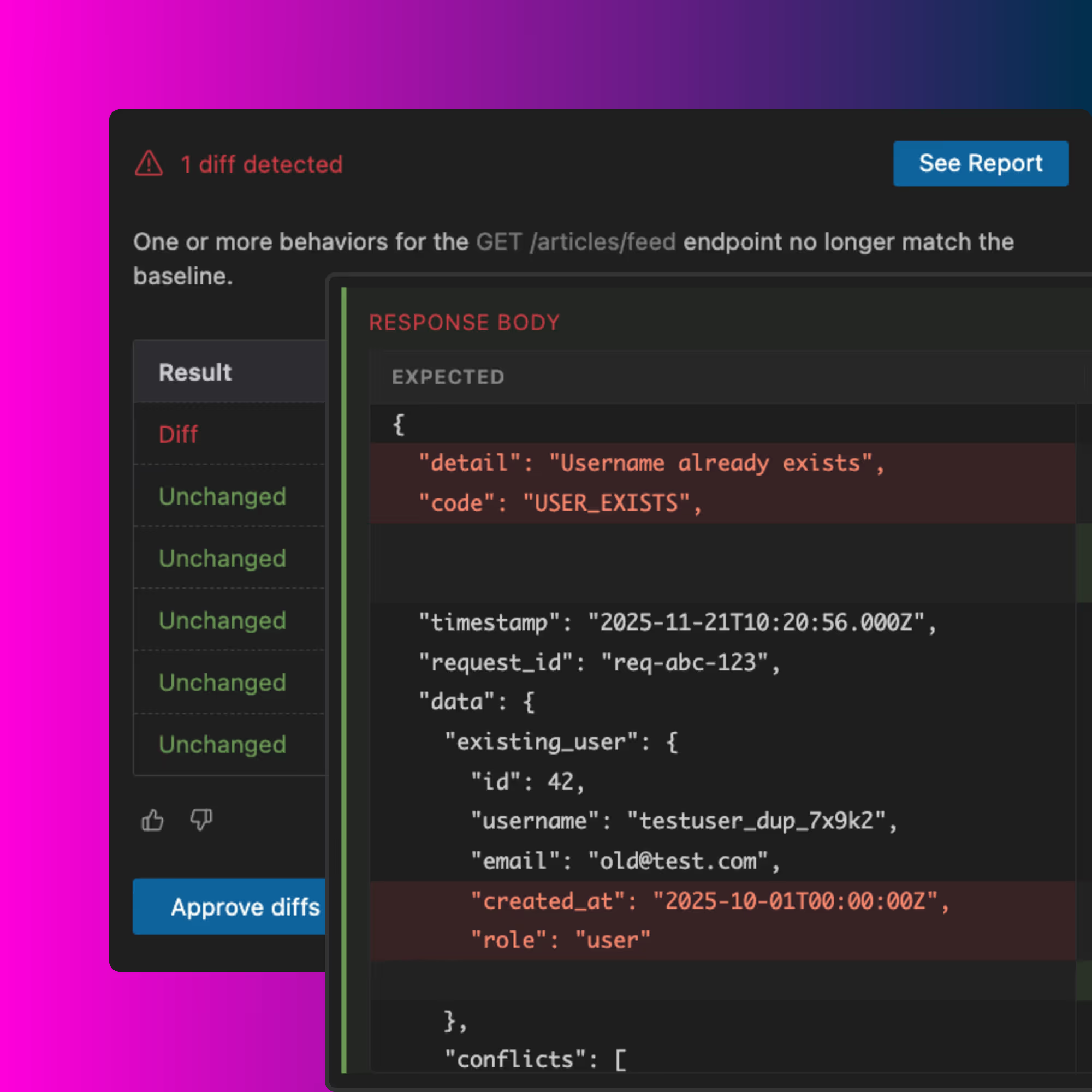
Approve intentional changes or reject accidental changes and fix with AI.
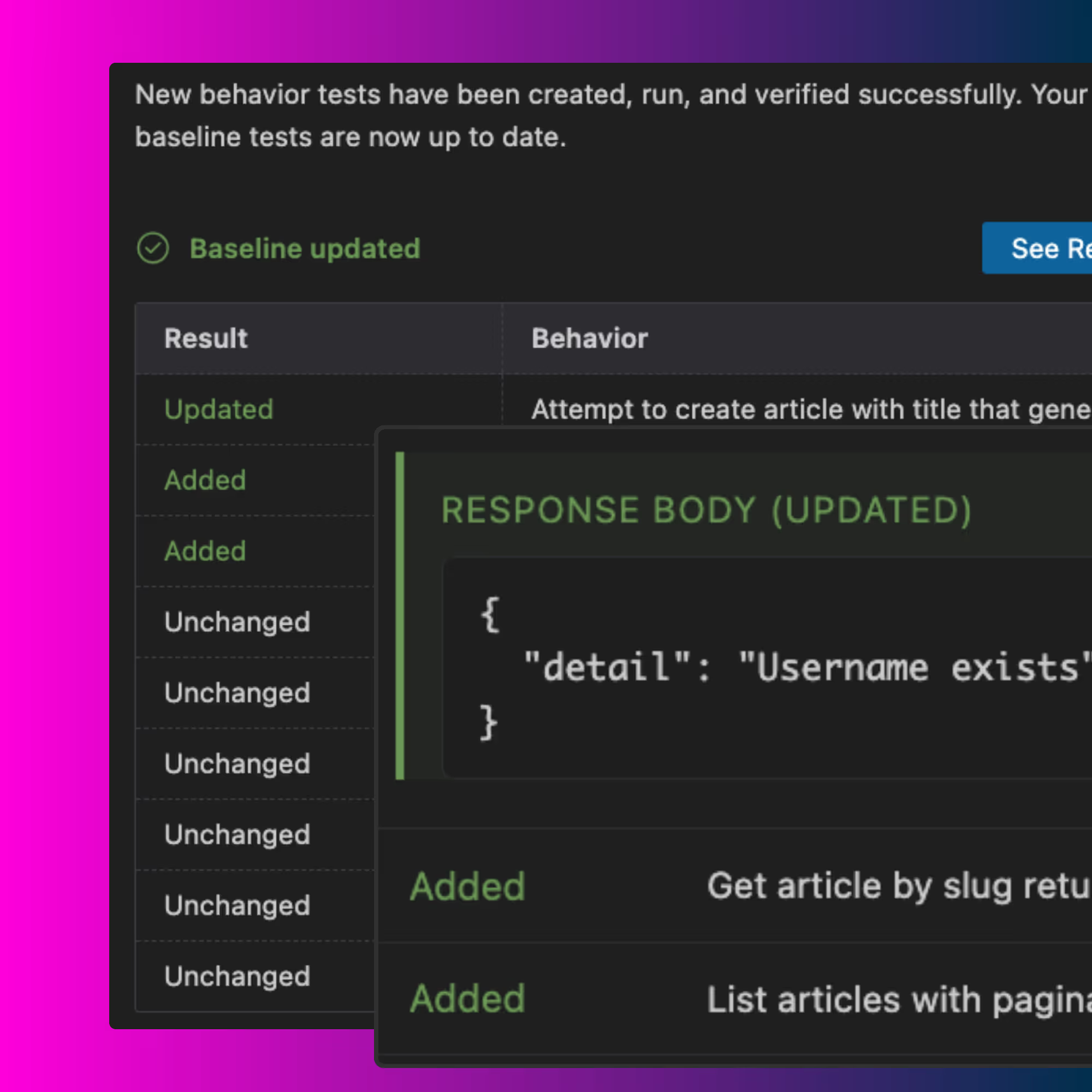
When tests break, Kerno fixes them automatically.
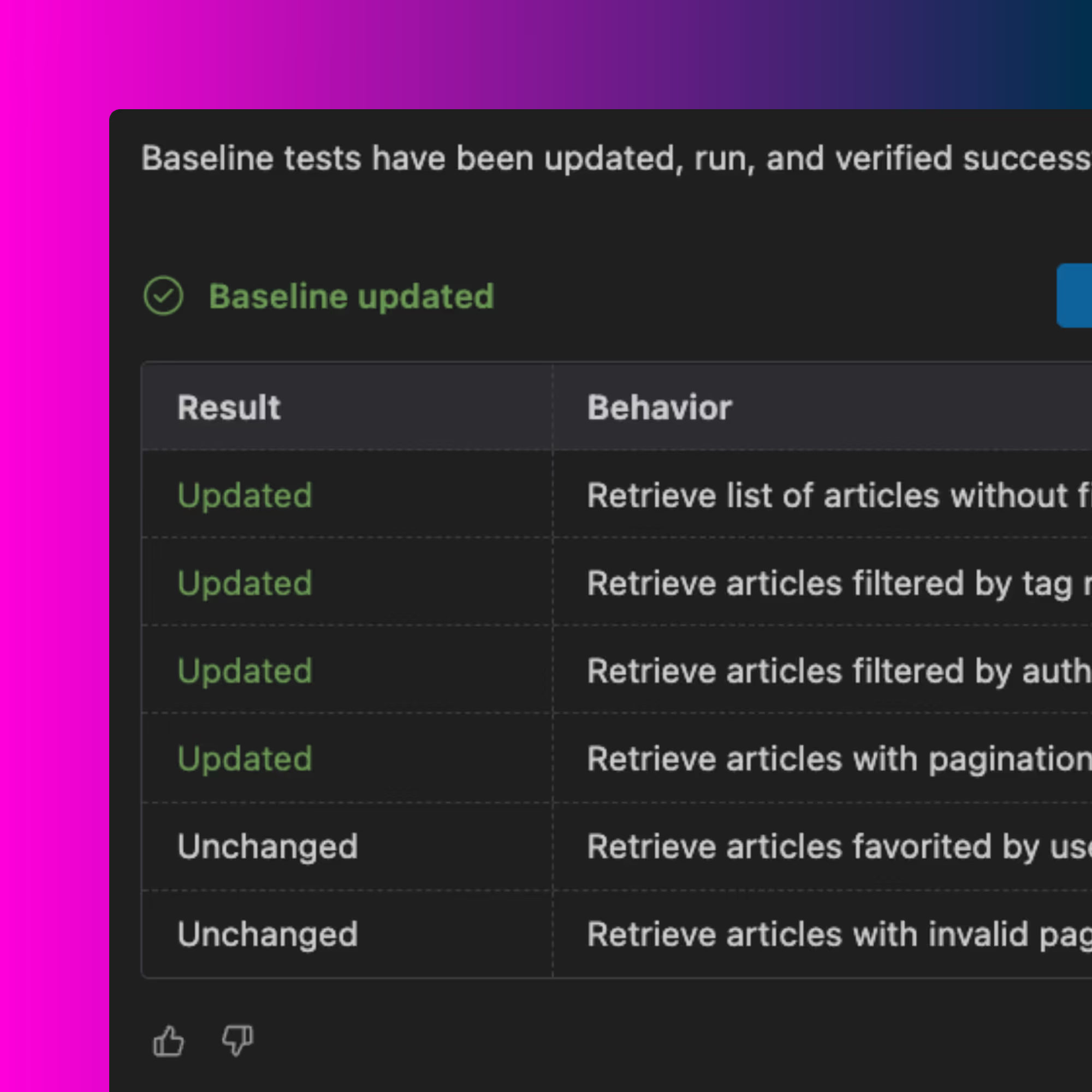
As your code evolves, Kerno updates, adds, and removes tests to match current behavior.
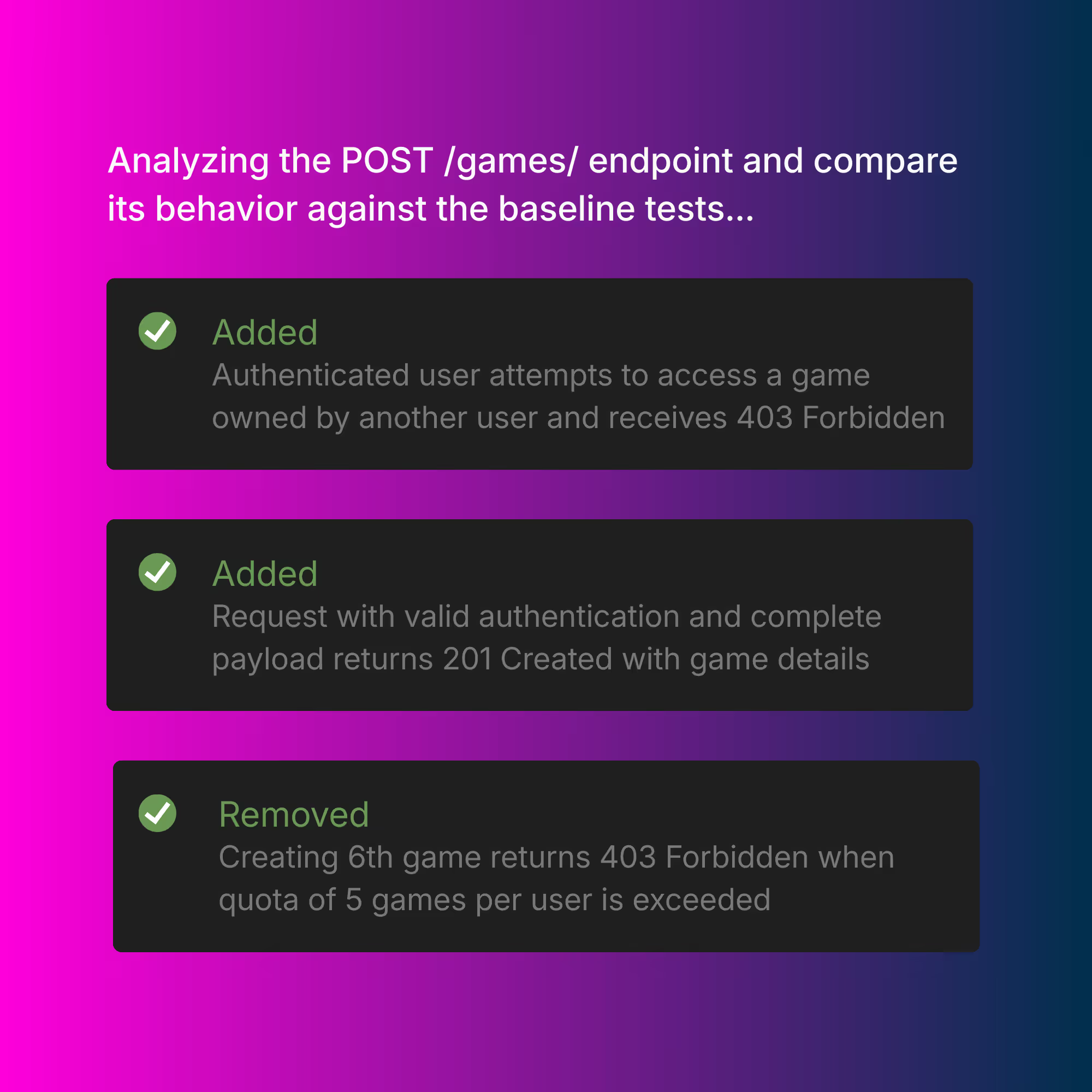
Work against the same baseline, keeping tests consistent across the entire team.
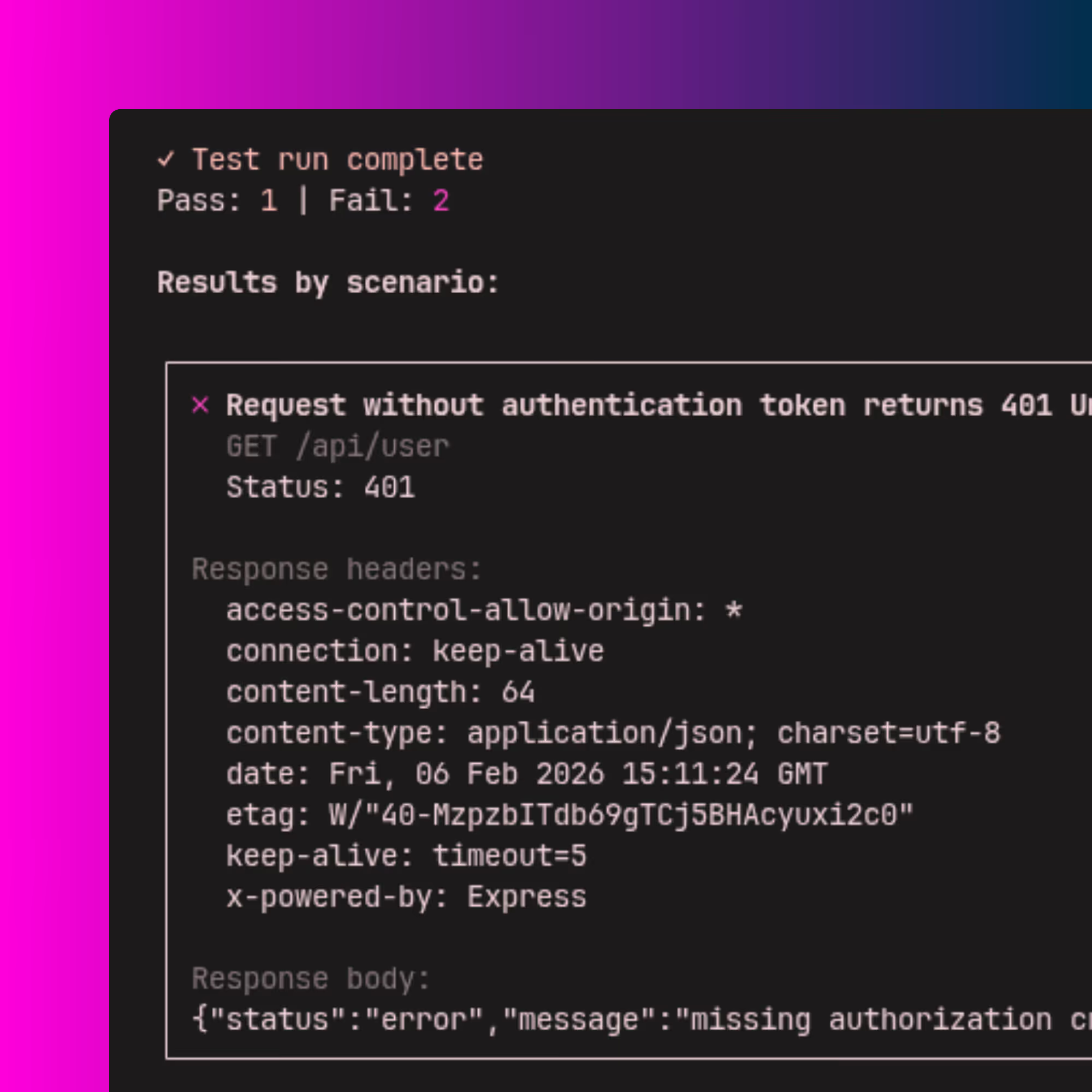

Kerno is a local CI that lets your AI coding agent validate its changes against your real backend stack and fix what it broke, in context, in every session.
It indexes your codebase, spins up your real infrastructure (databases, queues, caches) locally in Docker, generates integration tests against your API endpoints, and validates that code changes don't break existing behavior.
When something breaks, your agent gets the debug context to fix it in the same session, so you ship code that works as part of your system.
Kerno captures a baseline of your API endpoints' behavior across functional workflows, contracts, error handling, auth, and edge cases.
When code changes, it diffs the new behavior against the baseline and flags regressions with debug context. You approve intentional changes (which update the baseline) or reject accidental ones so your agent can fix them.
No. Kerno automatically generates test scenarios for every discovered HTTP endpoint. Scenarios cover functional workflows, contract validation, error handling, authentication, and edge cases. As your code evolves, Kerno adds scenarios for new endpoints and retires scenarios for removed ones.
TypeScript, JavaScript, and Python backends that expose HTTP(S) endpoints. Go, Java, PHP, Ruby, and C#/.NET are coming soon. For protocols, HTTP(S) is supported today, with WebSocket, gRPC, and GraphQL on the roadmap.
Kerno runs real instances of PostgreSQL, MySQL, MariaDB, MongoDB, Redis, Apache Kafka, RabbitMQ, Clickhouse, Zitadel, and Azure storage (via Azurite) locally in Docker. Third-party external services (payment processors, email providers, external APIs) are mocked automatically.
Kerno automatically syncs its test suite with your codebase. When endpoints are added, it generates new scenarios. When endpoints are removed, it retires stale ones. When contracts change, it updates affected scenarios. No manual test maintenance required.
Unit tests validate isolated functions. CI pipelines run after you push code and take minutes to return feedback.
Kerno validates API behavior against your real stack locally, giving you results in seconds instead of waiting for a CI run. It also generates and maintains its own tests, so you don't manually write or update them.
Docker (installed and running), Node.js 18 or later, and Git. Your project must be a Git repository. Install the CLI with npm i @kerno/cli, then run kerno mcp in your project directory.
Your code never leaves your machine. We maintain a zero-day retention policy with service providers, ensuring your code remains completely private.
No. Your code stays on your machine. When generating test scenarios, relevant code excerpts pass through Kerno's proxy to LLM providers (Anthropic, OpenAI, Google) configured with zero-data-retention tiers. No code is stored, logged, or used for training. Kerno is pursuing SOC 2 Type II certification.